What the client needed
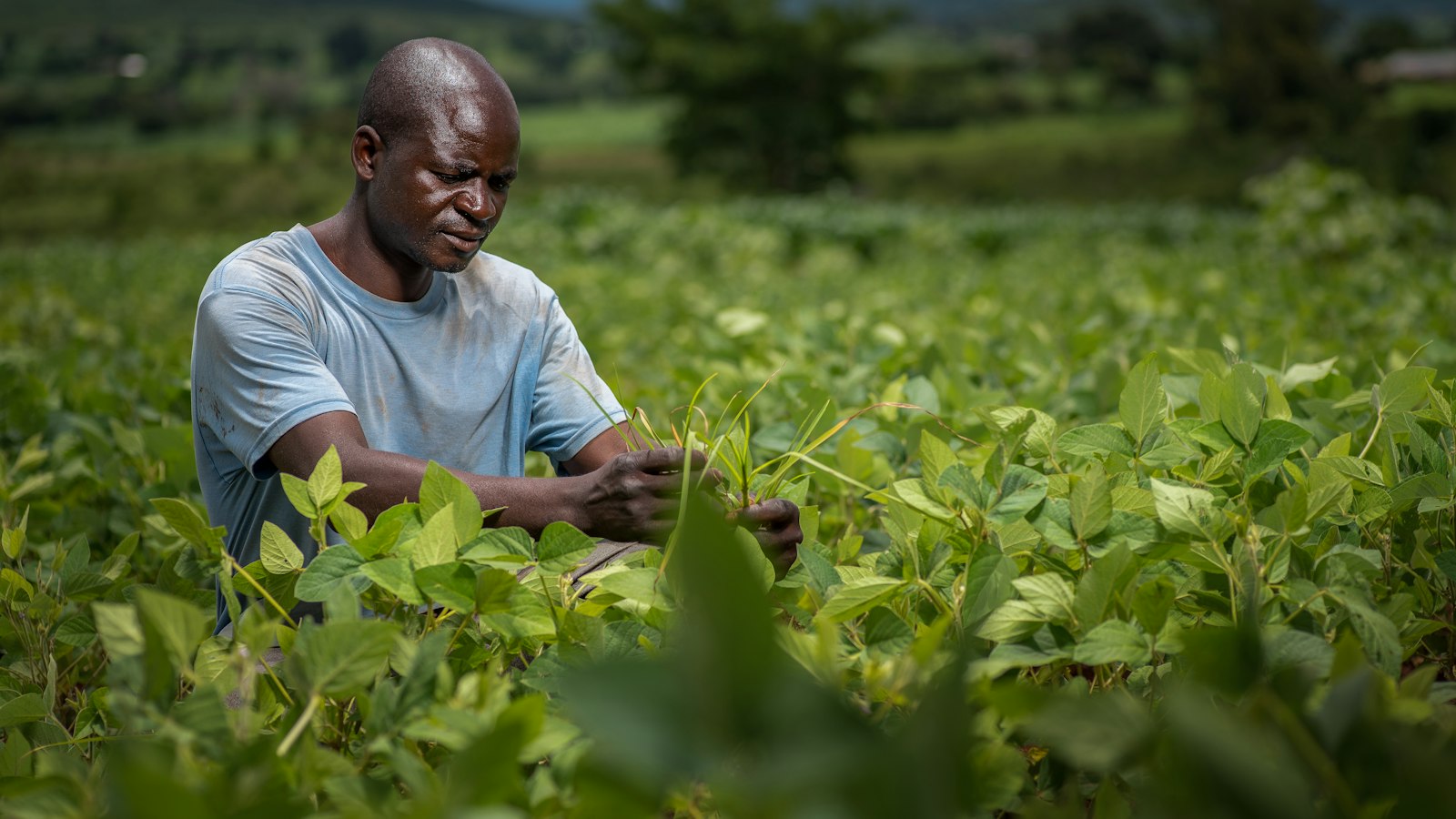
GIZ's SAFE project supports deforestation-free, traceable soya production in Zambia, strengthening smallholder farmers, inclusive business partnerships and forest preservation in Mumbwa and Itezhi-Tezhi, in step with the EU Deforestation Regulation (EUDR).
As the project closes, GIZ needs final values for its output and outcome indicators that can be compared directly with the baseline, together with an assessment of impact, sustainability and lessons learned.
How M31 Research delivered
M31 Research is carrying out a summative, mixed-methods evaluation aligned with the OECD DAC criteria, built on an evaluation matrix linked to the project's theory of change and replicating the baseline instruments and sampling so that results are comparable.
In the first field window, household surveys and focus group discussions with soya farmers cover the use of traceability tools, sustainable practices, land rights and socio-economic conditions, reaching the most remote communities before the rains. In the second, key informant interviews and focus groups with producer organisations, private sector partners and government stakeholders examine business partnerships and policy tools.
All data are gender-disaggregated and handled under strict ethical and data protection safeguards.
What we delivered
- Inception report with sampling framework, evaluation matrix and field protocol
- Adapted data collection tools
- Recruitment and training of enumerators
- Household surveys and farmer focus groups in Mumbwa and Itezhi-Tezhi
- Key informant interviews and stakeholder focus groups
- Draft and final evaluation report, three-page summary and cleaned datasets
- Stakeholder validation workshop with GIZ, MGEE and MoA
What changed for the client
GIZ will receive final, baseline-comparable values for the SAFE project's indicators, covering EUDR-aligned soya production, benefits to smallholder farmers and forest preservation.
The findings, lessons and recommendations will inform GIZ, the Ministry of Green Economy and Environment and the Ministry of Agriculture on sustaining deforestation-free supply chains in Zambia.
Key findings and outcomes
- Baseline-comparable endline values for all indicators
- Assessment against the OECD DAC criteria
- Gender-disaggregated findings and human interest stories
- Recommendations for deforestation-free supply chains