
What the client needed
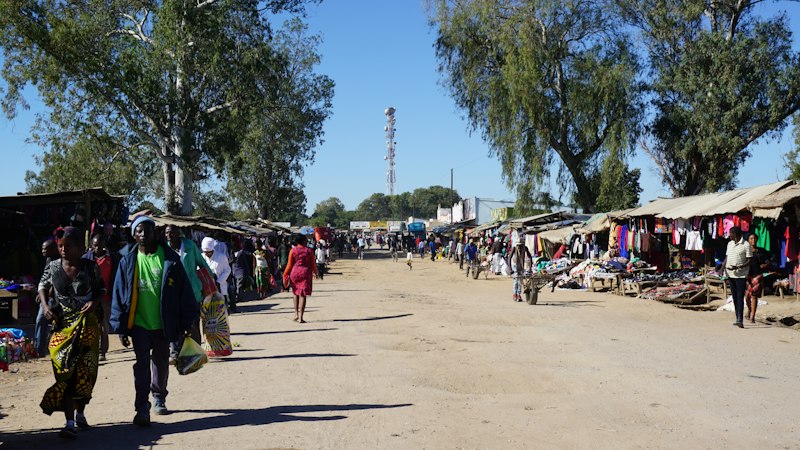
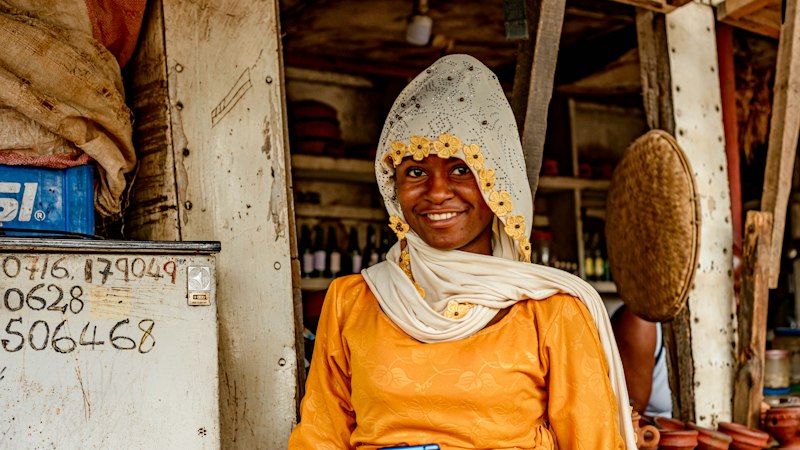
Women carry much of the day-to-day care of livestock in Zambia's smallholder households, yet their role in predicting, detecting, preventing and treating animal disease is under-recognised.
As part of a Kenya and Zambia study commissioned by Zoetis through the Alpha+ initiative, Laterite needed qualitative evidence on the challenges women face in accessing veterinary services, diagnostics and training, and on the barriers that limit their decision-making.
How M31 Research delivered
M31 Research implemented the Zambia component using a qualitative design across dairy and poultry value chains. Study instruments were translated and back-translated into local languages, and IRB, national and local approvals were secured.
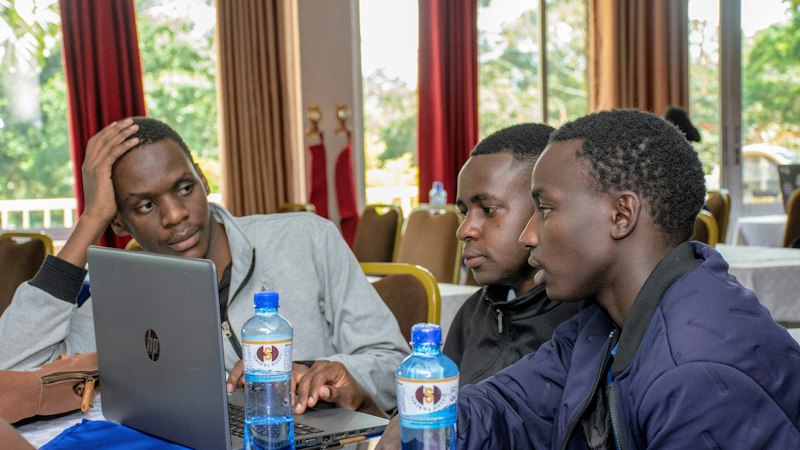
After training interviewers in Lusaka on protocols, ethics and audio recording, our team conducted 12 key informant interviews, 10 in-depth interviews with women farmers and farm workers, and 12 focus group discussions with men and women farmers. All interviews were transcribed and translated into English.
What we delivered
- Translated and back-translated instruments
- IRB and local approvals
- 12 key informant interviews
- 10 in-depth interviews
- 12 focus group discussions
- Transcripts translated into English
What changed for the client
The study shed light on women's contributions to livestock disease management in Zambia and the gender-specific challenges they face. Its findings helped Zoetis and Alpha+ design initiatives that strengthen women's roles in animal health, from capacity building to better access to veterinary support.