
What the client needed
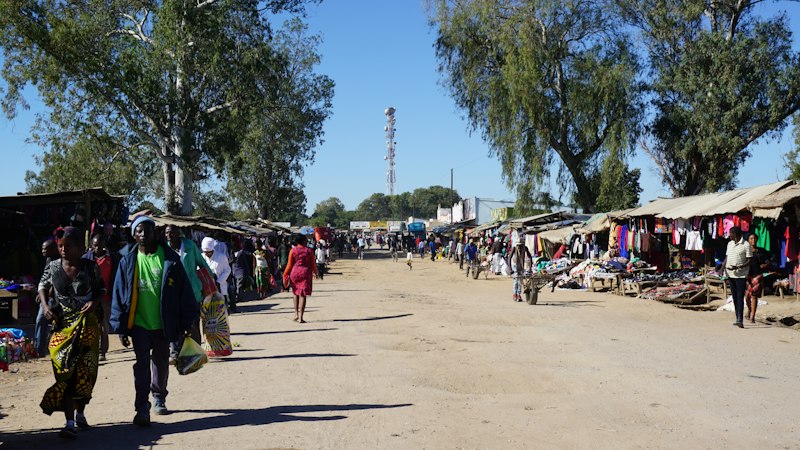
The Climate Resilient Agri-Food Systems Transformation (CREATE) programme, implemented by GIZ for BMZ, supports Zambia's Comprehensive Agriculture Transformation Support Programme. In Southern Province its work includes the E-PICSA digital climate-services app and drought-response activities with Action Against Hunger.
To track one of its core indicators, the adoption of additional climate-resilient and food-sensitive practices by smallholder households, GIZ needed a credible and verifiable baseline that could be compared with an endline in 2027.
How M31 Research delivered
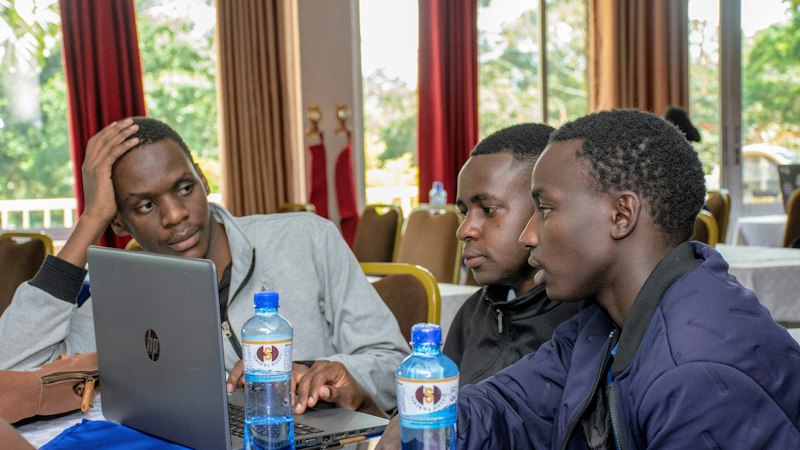
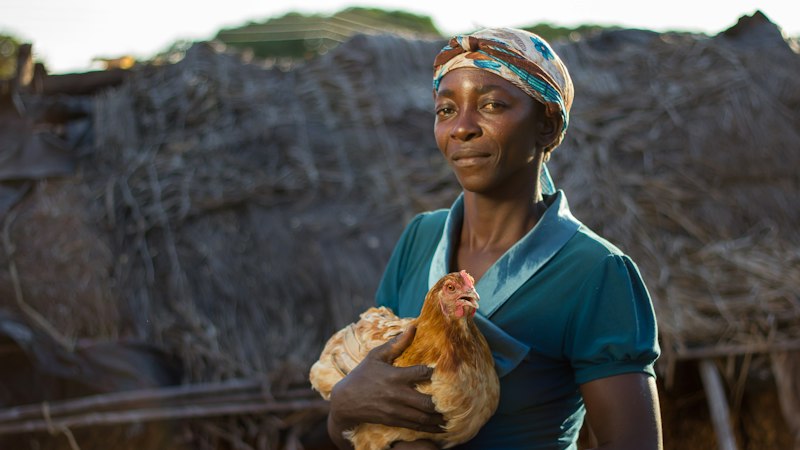
M31 Research developed a context-specific baseline methodology and sampling strategy for the indicator. We are running a randomised, gender-differentiated household survey in Monze, Mazabuka and Pemba districts using digital CAPI tools, complemented by focus group discussions.
Findings are disaggregated by district, gender, youth and participation in inclusive business models, and include joint household decision-making. We are also compiling a household contact database so the same households can be revisited at endline.
What we delivered
- Baseline methodology and sampling strategy
- Inception report with instruments and workplan
- Digital data collection tools
- Household survey across three districts
- Focus group discussions
- Raw and cleaned datasets
- Baseline report with disaggregated findings
- Household contact database for the 2027 endline
What changed for the client
The baseline will set credible pre-intervention values for CREATE's climate-resilient agriculture indicator in Southern Province. It will help GIZ and the Ministry of Agriculture track the adoption of climate-resilient and food-sensitive practices, adapt programming, and compare results at the planned 2027 endline.