What the client needed
Some Zambian schools achieve far better results than others, despite facing the same challenges and resource constraints. UNICEF and the Ministry of Education wanted to understand why, so that what works in these "positive deviant" schools could be replicated across the education system.
That called for reliable, comparable data from 120 schools in all ten provinces, split evenly between positive deviant and comparison schools, covering headteachers, teachers, parent-teacher associations, district officials and what actually happens in classrooms.
How M31 Research delivered
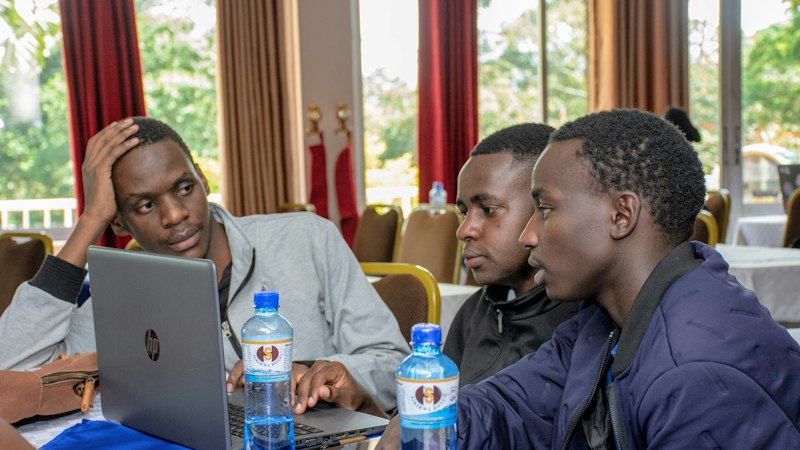
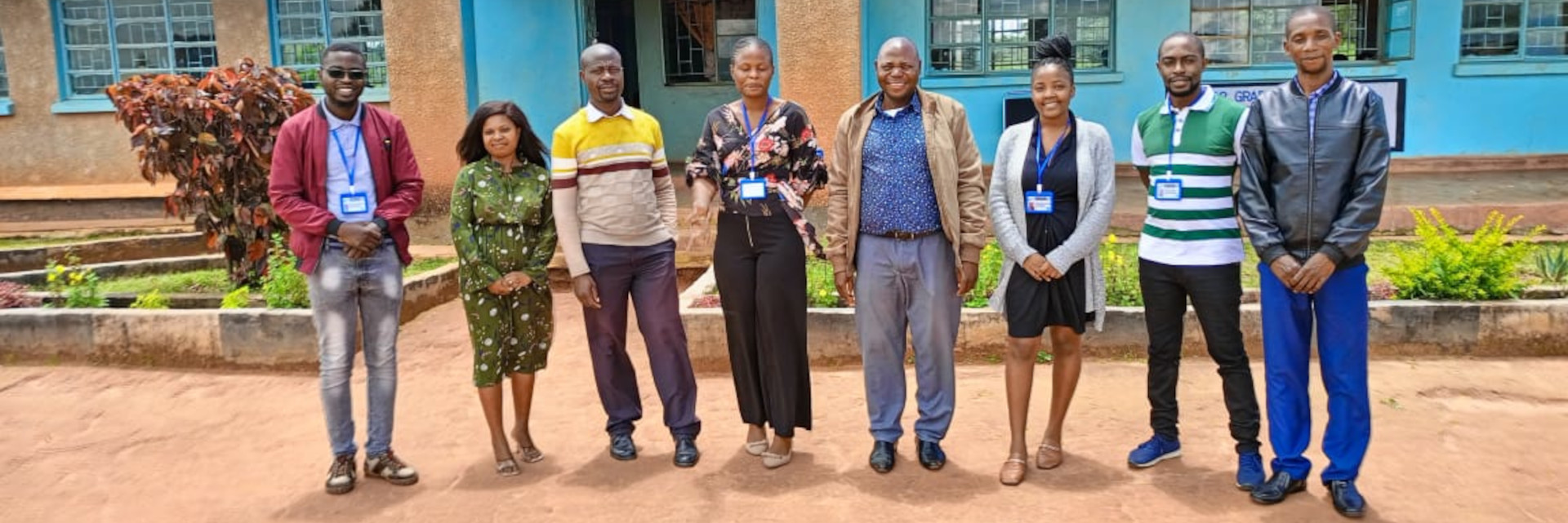
M31 Research ran the quantitative data collection from start to finish. We recruited and trained the enumerators, built the survey tools in SurveyCTO, translated and piloted the instruments, and put daily data quality checks in place.
Teams collected data with five tools: headteacher, teacher, PTA representative and DEBS surveys, plus classroom observations recorded on digital video. Enumerators worked on tablets so that data could be validated in real time. Ethical approval was secured from the ERES Converge IRB and informed consent was obtained from every participant. Remote access, patchy school-level records and hard-to-schedule stakeholders were managed through close daily monitoring.
What we delivered
- Recruitment and training of enumerators
- SurveyCTO survey tools, translated and piloted
- Headteacher, teacher, PTA and DEBS surveys
- Video-recorded classroom observations, systematically coded
- Ethical approval and informed consent
- Daily data validation and quality checks
What changed for the client
UNICEF and the Ministry of Education received a robust dataset on what effective schools do differently in leadership, teaching practice and community involvement. The findings form the foundation for evidence-based policy and will guide interventions to replicate successful strategies across Zambia's schools.
Key findings and outcomes
- 99.4% completion for teacher surveys and 97.5% for classroom observations
- Classroom videos coded systematically for analysis
- A reliable evidence base for scaling what works in Zambian schools